April 24, 2026
Family involvement in Memory Care is incredibly valuable and, at times, understandably complex. As dementia progresses for a loved one, families often face new emotions, uncertainty, and questions about how to stay connected in meaningful ways. At the same time, Memory Care teams can guide families toward involvement that enhances quality of life for both the resident and the family. As Memory Care Director of Vitalia Westlake, I have seen how purposeful family involvement can go beyond traditional visits. With the right support, families can remain active participants in their loved one’s journey.
I create opportunities for families to reconnect with their loved ones in ways that feel natural, purposeful, and emotionally meaningful. Rather than relying only on traditional visits, I design experiences that encourage shared moments and active participation. These may include themed events, familiar routines such as baking, music, and storytelling, and structured programming like holiday celebrations, life story projects, and small group engagement.
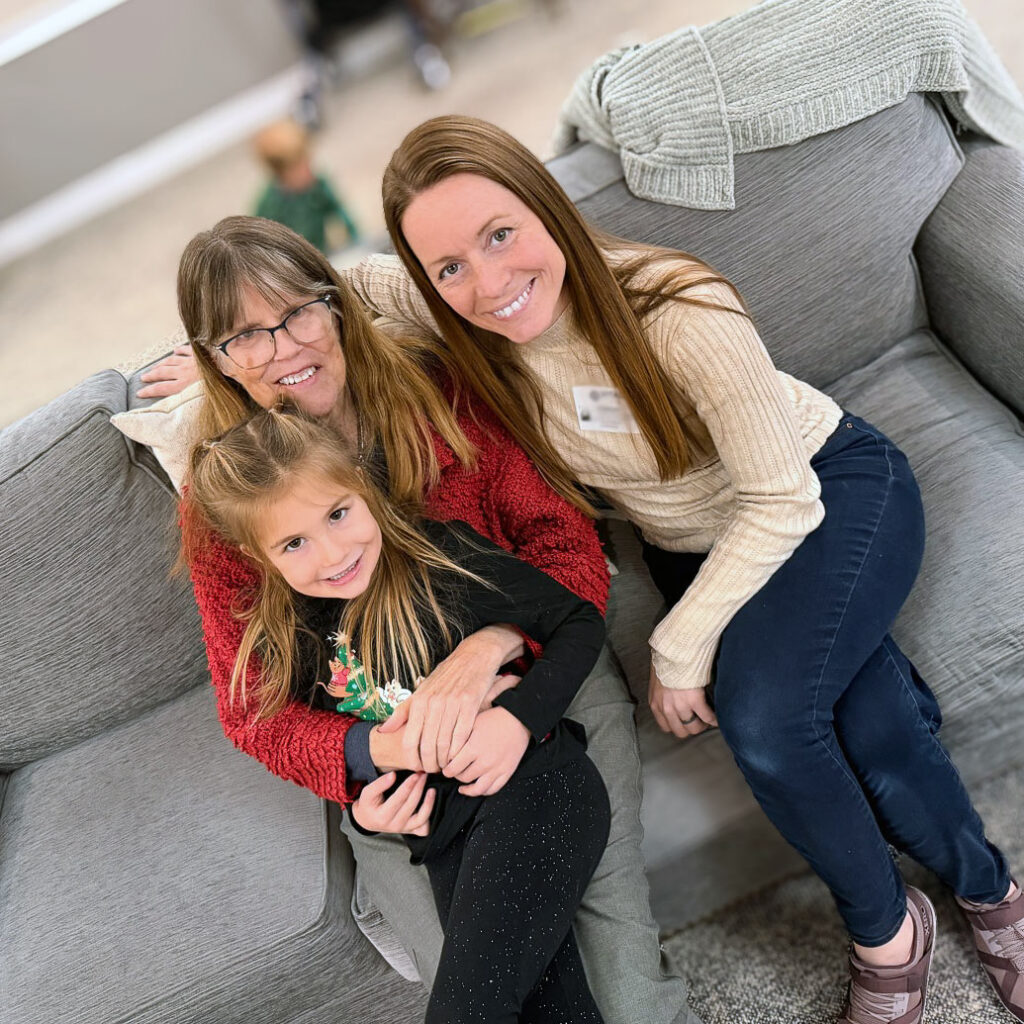
I also focus on creating a welcoming environment where families feel comfortable being present in everyday moments, not just scheduled events. This approach helps families move from feeling like visitors to becoming active and valued participants in their loved one’s daily life.
I support families with empathy, education, and reassurance, meeting them where they are in their journey. Many families feel overwhelmed or uncertain because they are unsure what meaningful connection looks like as dementia progresses. My role is to guide them with simple, practical ways to engage so they can feel more confident and connected.
One example involved a resident who often experienced agitation and withdrawal, especially in the afternoons. Through conversations with the family, I learned that music had always been an important part of his life. The family wanted to stay involved but felt unsure how to connect as his condition changed. I encouraged them to share simple moments with him through familiar music. Instead of forcing conversation, they sat with him during listening sessions. Over time, his mood improved and his behavioral expressions decreased. The family also gained confidence in their ability to connect with him in a way that felt meaningful and successful. This experience reinforced the importance of meeting residents where they are and giving families tools that create positive, shared experiences.
Families who want to begin volunteering can connect directly with our team, and we will guide them through a simple and supportive onboarding process. I work closely with families to understand their interests, comfort level, and availability. From there, we can match them with opportunities that feel natural and enjoyable. Volunteer roles may include participating in events, assisting with activities, sharing personal talents such as music or storytelling, or simply spending meaningful time with residents. We also provide guidance and education so families feel confident and prepared when engaging in the Memory Care neighborhood.
There is no one-size-fits-all approach to family engagement in Memory Care. With intention, empathy, and clear guidance, it can become one of the most impactful parts of a resident’s experience. When families feel supported, empowered, and invited into meaningful moments, the result is often deeper connection, improved well-being, and a stronger sense of community for everyone involved. Whether someone is a family member looking to stay involved or a care professional seeking new ideas, I hope these insights inspire thoughtful, compassionate engagement in every Memory Care neighborhood.
VITALIA® Westlake in Westlake, OH, offers assisted living, and memory care with a variety of services and a range of floor plan options. Amenities include restaurant dining, 24-hour bistro, concierge service, housekeeping, events and entertainment, personal care, transportation services, and more. Centrally located near UH St. John Medical Center and Cleveland Clinic Avon with convenient access to major shopping centers and attractions, including Meadowood Golf Course, Crocker Park, Clague Playhouse, Porter Library, Westlake Rec Center, Sibling Revelry Brewery, Bradley Woods Reservation, Huntington Reservation, and West Side Market.

VITALIA® Westlake serves and employs individuals of all faiths, regardless of race, color, gender, sexual orientation, national origin, age or handicap, except as limited by state and federal law.